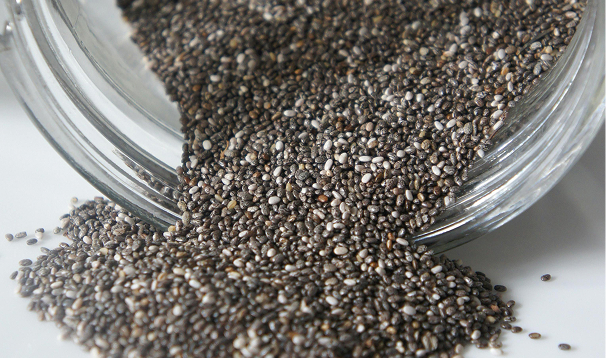
Top Insights on Chia Seeds: Benefits, Recipes, and Expert Advice
Chia Seeds: Nutrition, Health Benefits & How to Use Them Daily
Chia seeds may be tiny, but their impact on health is anything but small. Widely recognised as a superfood, chia seeds are packed with fibre, protein, healthy fats, antioxidants, and essential minerals that support overall wellness. From improving digestion and heart health to supporting weight management and skin health, the nutritional value of chia seeds makes them a powerful addition to modern diets.
In this guide, we explore chia seeds nutrition, chia seeds health benefits, practical usage tips, comparisons with flax seeds, expert advice, and easy ways to include them in your daily meals.
What Are Chia Seeds?
Chia seeds come from Salvia hispanica, a plant native to Central America. They were a staple food for the Aztecs and Mayans, valued for their ability to provide long-lasting energy and nourishment. Today, chia seeds are popular worldwide due to their impressive nutrient density, versatility, and compatibility with vegetarian, vegan, and gluten-free diets.
Chia Seeds Nutrition: A Complete Breakdown
Understanding chia seeds nutrition explains why they are considered a superfood.
Nutritional Value of Chia Seeds (per 2 tbsp / ~28g)
• Calories: ~137
• Protein: ~4–5 g (chia seeds protein)
• Dietary Fibre: ~10–11 g (chia seeds fibre)
• Healthy Fats: ~9 g (rich in omega-3 fatty acids)
• Carbohydrates: ~12 g
• Minerals: Calcium, magnesium, phosphorus, iron, zinc
• Antioxidants: Polyphenols that protect cells from damage
Chia seeds provide a rare combination of fibre, protein, and healthy fats in a single plant-based food, making their nutritional benefits highly valuable for long-term health.
Health Benefits of Chia Seeds
1. Rich in Essential Nutrients
Chia seeds are packed with vital vitamins and minerals such as calcium, magnesium, and phosphorus, all of which support bone strength, muscle function, and metabolic health. Their antioxidant content helps combat oxidative stress, protecting cells from damage caused by free radicals.
2. Supports Heart Health
One of the most researched chia seeds health benefits is heart support.
• High in omega-3 fatty acids that help reduce inflammation
• May help lower LDL (bad) cholesterol
• Supports healthy blood pressure levels
• Promotes overall cardiovascular function
Regular consumption of chia seeds, as part of a balanced diet, may contribute to long-term heart health.
3. Aids in Weight Management
Chia seeds are especially popular for weight loss, and for good reason:
• High fibre content promotes fullness and reduces calorie intake
• Absorb water and expand in the stomach, helping curb hunger
• Help stabilise blood sugar levels, reducing cravings
These properties make chia seeds an effective addition to weight management and portion-control strategies.
4. Enhances Digestive Health
Chia seeds are rich in soluble fibre, which forms a gel-like substance when mixed with liquids.
• Supports regular bowel movements
• Feeds beneficial gut bacteria
• Helps prevent constipation
• Promotes overall gut health
Adequate hydration alongside chia seeds enhances their digestive benefits.
5. Boosts Bone Health
Chia seeds support skeletal health in multiple ways:
• Rich in calcium, magnesium, and phosphorus
• Provide plant-based protein essential for bone repair and growth
• May help reduce the risk of osteoporosis when consumed regularly
This makes chia seeds especially valuable for individuals avoiding dairy.
6. Improves Skin Health
Chia seeds also offer visible wellness benefits for the skin:
• Antioxidants help protect skin from environmental damage
• Omega-3 fatty acids improve skin hydration and elasticity
• May help reduce signs of ageing and promote a healthy complexion
Healthy skin often reflects internal nutrition, and chia seeds support both.
Chia Seeds vs Flax Seeds: Which Is Better?
Both chia and flax seeds are highly nutritious, but they differ slightly:
| Aspect | Chia Seeds | Flax Seeds |
| Fibre | Higher | Moderate |
| Protein | Higher | Slightly lower |
| Omega-3 | High | Slightly higher |
| Preparation | Can be eaten whole | Must be ground |
| Texture | Gel-like when soaked | Nutty flavour |
Chia seeds are more convenient for daily use, while flax seeds offer concentrated omega-3s. Many people benefit from using both.
How to Use Chia Seeds in Your Diet
Chia seeds are extremely versatile and easy to include in meals.
Best Ways to Consume Chia Seeds
• Soak chia seeds in water or milk
• Smoothies for added fibre and protein
• Salads for texture and nutrition
• Baking as an egg substitute (1 tbsp chia + 3 tbsp water)
Soaked vs Dry Chia Seeds: Which Is Better?
Soaked chia seeds are generally the better and safer option for most people. When soaked in water, milk, or smoothies, chia seeds form a gel-like texture that makes them easier to digest and allows the body to absorb nutrients more efficiently.
Dry chia seeds, while still nutritious, can expand after consumption, potentially causing digestive discomfort if eaten in large amounts. Soaking also enhances satiety, helping you feel fuller for longer, making soaked chia seeds especially beneficial for weight management and digestive health.
In practical terms, soaking chia seeds for 20–30 minutes (or overnight) improves both safety and nutritional absorption, particularly for fibre and omega-3 fatty acids.
Expert Tips for Using Chia Seeds
• Soak before consuming to improve digestion and safety
• Start small (1 tbsp daily) and increase gradually
• Stay hydrated to support fibre absorption
• Store properly in a cool, dry place for a long shelf life
Moderation is key. 1–2 tablespoons per day is sufficient for most people.
Tasty Chia Seed Recipes
- Sweet & Simple
- Chia Seed Pudding - a creamy, nutritious treat you can prep ahead: Chia Seed Pudding
- Chia Seed Smoothie - add boost to your morning blend: Chia Seed Smoothie
- Savory & Versatile
- Chia Seed Vinaigrette - drizzle over salads for texture and nutrients: Chia Seed Vinaigrette
- On-the-Go Fuel
- Chia Seed Energy Bars - perfect pre- or post-workout snack: Chia Seed Energy Bars
- Fun Pantry Addition
- Berry Blis Chia Seed Jam - a nutritious spread without processed sugar: Berry Blis Chia Seed Jam
These recipes help you enjoy the nutritional benefits of chia seeds, whether you prefer sweet, savoury, or portable snacks.
Potential Risks & Safety Considerations
Chia seeds are generally safe for most people, but it’s good to be aware of a few things:
• Digestive Discomfort: Because of their high fibre content, eating too much too quickly may cause gas or bloating. Start with a small amount and increase gradually, ensuring adequate hydration.
• Choking Hazard: Dry chia seeds can swell dramatically with moisture. Never swallow them dry, always soak or mix them into liquids.
• Medication Interactions: If you’re on blood thinners, blood sugar medication, or have digestive issues, check with a healthcare provider before significantly increasing intake.
Common Mistakes to Avoid When Eating Chia Seeds
Although chia seeds are highly nutritious, consuming them incorrectly can reduce their benefits or cause digestive discomfort.
One of the most common mistakes is eating dry chia seeds without soaking. When consumed dry, chia seeds absorb liquid in the digestive tract, which may lead to bloating, stomach discomfort, or difficulty swallowing. Another mistake is overconsumption. Chia seeds are fibre-dense, and eating too much at once can cause gas, constipation, or cramps.
Many people also fail to balance chia seeds with enough fluids throughout the day. Since chia seeds absorb several times their weight in water, proper hydration is essential. Lastly, relying on chia seeds as a standalone “miracle food” instead of incorporating them into a balanced diet limits their overall health impact.
Chia Seeds for Blood Sugar Control
Chia seeds play a valuable role in regulating blood sugar levels, especially when included in meals. Their high soluble fibre content slows down the digestion and absorption of carbohydrates, preventing sharp spikes in blood glucose.
When consumed before or alongside meals, chia seeds help improve insulin sensitivity and reduce post-meal sugar fluctuations. This makes them particularly beneficial for individuals managing diabetes, prediabetes, or insulin resistance.
The gel formed by soaked chia seeds creates a physical barrier in the gut that slows carbohydrate breakdown, leading to more stable energy levels and reduced sugar cravings throughout the day.
Chia Seeds for Heart Health
Chia seeds are widely recognised for their heart-protective benefits, primarily due to their high omega-3 fatty acid content. These healthy fats help reduce inflammation, lower triglyceride levels, and support overall cardiovascular function.
In addition, the soluble fibre in chia seeds can assist in lowering LDL (bad) cholesterol while maintaining HDL (good) cholesterol levels. Their mineral content, including magnesium and potassium, also contributes to healthy blood pressure regulation.
Regular consumption of chia seeds, as part of a balanced diet, may help reduce the risk of heart disease and support long-term cardiovascular health.
How to Store Chia Seeds Properly
Proper storage is essential to maintain the freshness and nutritional quality of chia seeds. Always store them in an airtight container to protect against moisture and air exposure.
Chia seeds should be kept in a cool, dry place, away from direct sunlight. When stored correctly, they have a long shelf life and can last for several months to even years without losing their nutritional value.
If you live in a warm or humid environment, refrigeration can help extend freshness, especially once the packaging has been opened. Avoid storing chia seeds near heat sources, as this may degrade their healthy fats over time.
Final Thoughts
Chia seeds are a simple yet powerful food with wide-ranging benefits. From digestion and heart health to weight management, bone strength, and skin wellness, the chia seeds' nutritional benefits make them a valuable addition to almost any diet. Easy to use, affordable, and versatile, chia seeds fit effortlessly into modern, health-conscious lifestyles.
Explore More Nutrition & Fitness Tools
• Try balanced meal plans that include chia seed recipes.
• Use our Food Calorie Calculator to track calories, macros, and nutrient intake.
• Read more on healthy recipes and diet strategies for your goals.
FAQs about chia seeds
1. Can chia seeds be eaten every day?
Yes, chia seeds can be eaten daily when consumed in moderation. A small daily portion supports digestion, heart health, and sustained energy. Regular intake works best when combined with a balanced diet and adequate water intake.
2. What is the best time of day to eat chia seeds?
Chia seeds can be consumed at any time, but many people prefer them in the morning or before workouts. Morning intake supports digestion and fullness, while pre-workout consumption provides slow-releasing energy and hydration support.
3. Do chia seeds cause bloating or gas?
Chia seeds may cause bloating if eaten in large quantities or without soaking. This happens due to their high fibre content. Soaking them properly and starting with small amounts helps minimise digestive discomfort.
4. Can chia seeds be added to hot foods and drinks?
Yes, chia seeds can be added to warm foods like oats, soups, or porridges. However, it’s best to soak them first, as dry chia seeds added directly to hot liquids may clump and become harder to digest.
5. Are chia seeds suitable for children and older adults?
Chia seeds are safe for children and older adults when prepared correctly. They should always be soaked and served in small portions to support easy digestion and reduce the risk of choking or discomfort.
6. Do chia seeds lose nutrients when soaked or cooked?
Soaking chia seeds does not reduce their nutritional value. In fact, soaking improves nutrient absorption. Gentle heating is also safe, but excessive cooking at high temperatures may reduce some antioxidant content.
7. Can chia seeds replace eggs in recipes?
Yes, chia seeds can be used as an egg substitute in baking. When mixed with water, they form a gel that helps bind ingredients, making them suitable for vegan recipes like muffins, pancakes, and cookies.
8. Are black chia seeds and white chia seeds different?
Nutritionally, black and white chia seeds are almost identical. The difference is mainly in colour and slight taste variation. Both offer the same health benefits and can be used interchangeably in recipes.
9. Can chia seeds be eaten without grinding?
Yes, chia seeds do not need to be ground to access their nutrients. Unlike flax seeds, chia seeds are easily digestible whole, especially when soaked, allowing the body to absorb their nutritional benefits effectively.
10. How long do soaked chia seeds last in the fridge?
Soaked chia seeds can be stored in an airtight container in the refrigerator for up to 4–5 days. Keeping them chilled helps maintain freshness and makes meal prep easier for smoothies, puddings, and bowls.