Top Insights on Pumpkin Seeds: Benefits, Recipes, and Expert Advice
Pumpkin seeds, commonly known as pepitas, are edible seeds found inside pumpkins. Despite their small size, pumpkin seeds are considered one of the most nutrient-dense seeds available. They provide a combination of plant protein, healthy fats, dietary fiber, vitamins, and essential minerals, making them a valuable addition to balanced diets.
Pumpkin seeds are widely consumed around the world as snacks, salad toppings, or ingredients in baked foods and granola. Their rich nutritional profile has made them particularly popular in vegetarian diets, fitness-oriented meal plans, and heart-healthy eating patterns.
Understanding pumpkin seeds nutrition, pumpkin seeds protein content, and the health benefits of pumpkin seeds can help you include them effectively in everyday meals while maintaining balanced calorie intake.
Pumpkin Seeds: Quick Nutrition Snapshot
Pumpkin seeds are nutrient-dense seeds that provide plant protein, healthy fats, fiber, and essential minerals. They are particularly rich in magnesium, zinc, iron, and antioxidants, making them a valuable addition to balanced diets.
Key Nutrition Highlights
• High in plant-based protein
• Rich in magnesium for muscle and nerve function
• Good source of zinc for immune health
• Provides healthy unsaturated fats
• Contains antioxidants that support overall health
Typical serving: 20–30 grams per day.
Pumpkin Seeds Nutrition
Pumpkin seeds are considered a nutrient-dense food, meaning they provide a high concentration of nutrients relative to their serving size. They contain a balanced mix of protein, healthy fats, carbohydrates, and fiber, along with several essential minerals.
One of the most notable aspects of pumpkin seeds nutrition is their high content of magnesium, zinc, iron, and potassium, minerals that support many important physiological functions.
Pumpkin Seeds Nutrition (Per 100 g)
| Nutrient | Approximate Amount | Role in the Body |
| Calories | ~559 kcal | Provides energy |
| Protein | ~30 g | Supports muscle repair and tissue maintenance |
| Total Fat | ~49 g | Provides healthy fats and energy |
| Carbohydrates | ~11 g | Contributes to energy metabolism |
| Dietary Fiber | ~6 g | Supports digestive health |
| Magnesium | ~592 mg | Supports muscle and nerve function |
| Zinc | ~7.8 mg | Supports immune health |
| Iron | ~8 mg | Helps transport oxygen in blood |
| Potassium | ~809 mg | Supports heart and muscle function |
Why Pumpkin Seeds Are Considered a Nutrient-Dense Food
Pumpkin seeds are often described as a nutrient-dense or “superfood” seed because they deliver a high concentration of beneficial nutrients relative to their size.
Unlike many snack foods that primarily provide calories, pumpkin seeds supply several essential nutrients that support normal body functions.
Key Reasons Pumpkin Seeds Are Considered Nutrient-Dense
• High protein content compared with many other seeds
• Large amounts of magnesium and zinc
• Healthy unsaturated fats that support heart health
• Antioxidants that help protect cells from oxidative stress
Because of this combination, pumpkin seeds are commonly included in balanced diets focused on long-term health and nutrient diversity.
Pumpkin Seeds Protein Content
Pumpkin seeds are known for their relatively high plant-based protein content, making them a useful addition to vegetarian and plant-forward diets.
Protein in Pumpkin Seeds
| Serving Size | Protein Content |
| 100 g | ~30 g |
| 30 g (small handful) | ~8–9 g |
| 1 tablespoon | ~2–3 g |
Protein plays several important roles in the body:
• maintaining muscle mass
• supporting tissue repair and recovery
• producing enzymes and hormones
• promoting satiety after meals
While pumpkin seeds should not be the sole protein source in a diet, they can contribute meaningfully to daily protein intake, especially when combined with other foods such as legumes, dairy, or whole grains.
Pumpkin Seeds vs Other Seeds
Pumpkin seeds are often compared with other popular seeds such as chia seeds and flax seeds. Each seed provides unique nutritional benefits.
| Seed | Protein | Key Nutrient | Typical Benefit |
| Pumpkin Seeds | High | Magnesium | Muscle and heart support |
| Chia Seeds | Moderate | Fiber & omega-3 | Digestive and heart health |
| Flax Seeds | Moderate | Omega-3 fats | Heart health and inflammation support |
Pumpkin seeds stand out for their higher protein content and mineral density, particularly magnesium and zinc.
To learn more about seed-based nutrition, explore chia seeds nutrition and benefits.
Pumpkin Seeds Vitamins and Minerals
One of the most valuable aspects of pumpkin seeds nutrition is their rich supply of vitamins and minerals. These micronutrients play important roles in maintaining normal bodily functions, supporting metabolism, and promoting overall health.
Pumpkin seeds are particularly known for their high levels of magnesium, zinc, iron, and phosphorus, along with smaller amounts of other essential nutrients.
Magnesium
Pumpkin seeds are among the richest natural sources of magnesium. This mineral supports more than 300 biochemical reactions in the body, including muscle contraction, nerve signaling, and energy production. Adequate magnesium intake also helps support heart health and normal blood pressure.
Zinc
Zinc is an essential mineral involved in immune function, wound healing, and cell growth. Pumpkin seeds are considered one of the best plant-based sources of zinc, making them especially useful in vegetarian diets where zinc intake may otherwise be lower.
Iron
Iron plays a key role in the formation of hemoglobin, the protein that carries oxygen through the bloodstream. Consuming iron-rich foods such as pumpkin seeds can help support normal energy levels and reduce the risk of iron deficiency.
Phosphorus
Phosphorus is important for bone strength and works alongside calcium to support healthy bones and teeth. It also plays a role in energy metabolism and cellular repair.
Potassium
Potassium helps regulate fluid balance in the body and supports normal heart rhythm. Adequate potassium intake is also important for muscle function and maintaining healthy blood pressure.
Vitamin E
Pumpkin seeds contain vitamin E, a powerful antioxidant that helps protect cells from oxidative stress. Antioxidants play a role in maintaining skin health and supporting overall cellular function.
Together, these vitamins and minerals contribute significantly to the health benefits of pumpkin seeds, helping make them a nutrient-dense addition to balanced diets.
Health Benefits of Pumpkin Seeds
The health benefits of pumpkin seeds come from their unique combination of antioxidants, essential minerals, healthy fats, and plant-based protein. Because these nutrients support multiple physiological functions, pumpkin seeds are often included in diets focused on long-term health and balanced nutrition.
Regularly consuming nutrient-dense foods such as pumpkin seeds may help support several aspects of overall well-being.
Rich in Antioxidants
Pumpkin seeds contain antioxidants such as vitamin E and phenolic compounds, which help protect cells from oxidative stress. Oxidative stress occurs when there is an imbalance between free radicals and the body's antioxidant defenses, and it is associated with various chronic health conditions. Including antioxidant-rich foods in the diet can help support cellular health.
Supports Heart Health
Pumpkin seeds contain nutrients that contribute to cardiovascular health. Magnesium, potassium, and unsaturated fats help support normal blood pressure and healthy circulation. Diets that include foods rich in these nutrients are often associated with improved heart health.
Supports Immune Function
Pumpkin seeds are a good source of zinc, a mineral that plays an important role in immune system function. Zinc helps support immune cell activity and contributes to the body's ability to respond to infections and maintain overall immune health.
Supports Prostate Health
Pumpkin seeds have traditionally been studied for their potential role in prostate health, particularly because of their zinc content and plant compounds known as phytochemicals. These nutrients may help support normal prostate function in men.
May Improve Sleep Quality
Pumpkin seeds contain tryptophan, an amino acid that contributes to the production of serotonin and melatonin. These neurotransmitters play a role in regulating sleep cycles, which is why tryptophan-containing foods are sometimes associated with improved sleep quality.
Supports Digestive Health
Pumpkin seeds contain dietary fiber, which helps support healthy digestion. Fiber contributes to regular bowel movements and supports the growth of beneficial gut bacteria, which play a role in maintaining digestive health.
Together, these nutritional properties contribute to the overall health benefits of pumpkin seeds, making them a simple yet powerful addition to balanced diets.
Pumpkin Seeds for Fitness and Nutrition
Pumpkin Seeds for Fitness and Nutrition
Pumpkin seeds are often included in fitness-oriented diets because they provide nutrients that support muscle function, recovery, and sustained energy levels. Their combination of plant protein, healthy fats, and minerals makes them a convenient nutrient-dense food for individuals who engage in regular physical activity.
Muscle Support
Pumpkin seeds contain plant-based protein, which contributes to muscle repair and maintenance when consumed as part of a balanced diet. Protein is essential for rebuilding muscle tissue after exercise and supporting long-term muscle health.
Magnesium for Muscle Function
Pumpkin seeds are particularly rich in magnesium, a mineral involved in muscle contraction, nerve signaling, and energy metabolism. Adequate magnesium intake supports normal muscle function and may help reduce muscle fatigue during physical activity.
Sustained Energy from Healthy Fats
Pumpkin seeds provide unsaturated fats, which act as a steady energy source. Unlike simple carbohydrates that provide short bursts of energy, healthy fats help support sustained energy levels and improved satiety.
Because of this balanced nutrient profile, pumpkin seeds can be a practical addition to meals and snacks for individuals maintaining an active lifestyle or fitness routine.
Pumpkin Seeds and Weight Management
Pumpkin seeds can be included in a balanced diet for weight management when consumed in moderate portions. Their nutritional composition supports satiety and may help reduce excessive snacking between meals.
Several factors contribute to their ability to promote fullness:
• protein helps increase satiety after meals
• fiber slows digestion and supports steady energy release
• healthy fats contribute to longer-lasting fullness
Together, these nutrients help make pumpkin seeds a satisfying snack option when incorporated thoughtfully into daily meals.
However, pumpkin seeds are relatively calorie-dense, meaning portion control is important. A small serving can provide significant nutritional benefits without contributing excessive calories.
How to Eat Pumpkin Seeds
Pumpkin seeds are versatile and can be incorporated into a variety of meals and snacks. Their mild flavor and crunchy texture make them easy to add to both sweet and savory dishes.
Simple Ways to Eat Pumpkin Seeds
• Enjoy roasted pumpkin seeds as a nutritious snack
• Sprinkle them over salads for added texture and nutrients
• Add them to yogurt, oatmeal, or smoothie bowls
• Mix them into homemade granola or trail mix
• Include them in baked foods such as breads, muffins, or crackers
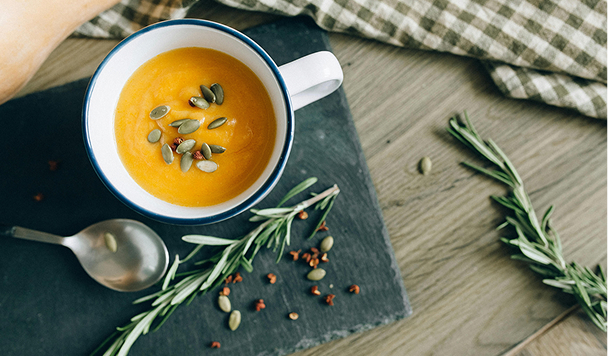
• Use them as a topping for soups, grain bowls, or roasted vegetables
Pumpkin seeds can be eaten raw or roasted, depending on personal preference. Choosing unsalted varieties can help keep sodium intake balanced while still enjoying their nutritional benefits.
Including pumpkin seeds in everyday meals is a simple way to increase plant-based protein, healthy fats, and essential minerals in the diet.
Recommended Daily Intake of Pumpkin Seeds
Because pumpkin seeds are nutrient-dense and calorie-rich, moderate portions are generally recommended.
Suggested Serving Sizes
| Dietary Goal | Suggested Amount |
| General healthy diet | 20–30 g per day |
| Active individuals | 30–40 g per day |
| Weight management | 15–25 g per day |
These serving sizes allow you to obtain the nutritional benefits of pumpkin seeds while maintaining balanced calorie intake.
Raw vs Roasted Pumpkin Seeds
Pumpkin seeds are widely available in both raw and roasted forms, and each option offers slightly different characteristics in terms of flavor, texture, and preparation. Both types can be included in a healthy diet, depending on personal preference and how they are used in meals.
Raw Pumpkin Seeds
Raw pumpkin seeds are minimally processed and retain their natural nutritional profile. They have a mild, slightly nutty flavor and can be easily incorporated into a variety of dishes.
Common uses for raw pumpkin seeds include:
• adding them to salads for extra crunch
• blending them into smoothies for additional nutrients
• mixing them into yogurt or oatmeal
• incorporating them into homemade granola or energy bars
Because they are unroasted, raw pumpkin seeds typically contain no added oils or salt, which makes them a convenient option for individuals aiming to limit sodium intake.
Roasted Pumpkin Seeds
Roasted pumpkin seeds have a crunchier texture and a deeper, nuttier flavor. Roasting enhances their taste and makes them a popular snack food.
They are commonly:
• eaten as a standalone snack
• lightly seasoned with spices or herbs
• added as a crunchy topping to soups, salads, or grain bowls
When purchasing roasted pumpkin seeds, it is generally advisable to choose unsalted or lightly salted varieties to avoid excessive sodium intake. Homemade roasting can also be a good option for controlling seasoning and oil content.
Both raw and roasted pumpkin seeds provide similar nutritional benefits and can be included as part of a balanced diet.
Potential Side Effects of Pumpkin Seeds
Pumpkin seeds are generally safe for most people and can be a nutritious addition to daily meals. However, like many nutrient-dense foods, they are best consumed in moderate portions.
A few considerations may be helpful when including pumpkin seeds regularly in the diet.
High Calorie Density
Pumpkin seeds contain a relatively high amount of calories per serving due to their healthy fat content. While these fats are beneficial for overall health, consuming very large quantities may contribute to excessive calorie intake. Keeping portions moderate helps maintain balanced energy intake.
Digestive Discomfort
Pumpkin seeds contain both fiber and fat, which support digestive health when consumed in appropriate amounts. However, eating very large portions at once may cause mild digestive discomfort for some individuals, particularly if their diet is not accustomed to higher fiber foods.
Added Sodium in Packaged Seeds
Many commercially roasted pumpkin seeds are seasoned with salt. Regular consumption of heavily salted seeds may increase sodium intake beyond recommended levels. Choosing unsalted or lightly salted pumpkin seeds can help maintain a healthier balance.
When eaten in sensible portions, pumpkin seeds remain a safe and nutrient-dense food that can contribute positively to a balanced diet.
Explore More Nutrition Resources
• Learn about chia seeds nutrition and benefits, including their fiber, omega-3 fats, and role in supporting heart and digestive health
• Discover the nutritional value of flax seeds and how they contribute healthy fats, antioxidants, and plant-based nutrients
• Explore protein-rich foods that help support muscle maintenance, recovery, and balanced daily nutrition
Frequently Asked Questions About Pumpkin Seeds
What are the health benefits of pumpkin seeds?
Pumpkin seeds provide plant-based protein, healthy fats, dietary fiber, and important minerals such as magnesium, zinc, and iron. These nutrients help support heart health, immune function, digestion, and overall nutritional balance. Because of their nutrient density, pumpkin seeds are often included in balanced diets focused on long-term health.
How much protein is in pumpkin seeds?
Pumpkin seeds contain approximately 30 grams of protein per 100 grams, making them one of the higher-protein seeds. A small handful (about 30 grams) typically provides 8–9 grams of plant-based protein, which can contribute to daily protein intake.
What vitamins and minerals are found in pumpkin seeds?
Pumpkin seeds provide vitamin E and several B vitamins along with important minerals such as magnesium, zinc, iron, phosphorus, and potassium. These nutrients support functions such as muscle activity, immune health, energy metabolism, and bone health.
How many pumpkin seeds should you eat per day?
Most people can safely consume about 20–30 grams of pumpkin seeds per day, which is roughly a small handful. This amount provides beneficial nutrients such as magnesium, zinc, and healthy fats while keeping calorie intake balanced.
Are pumpkin seeds healthy?
Yes, pumpkin seeds are considered a nutrient-dense food. They provide protein, healthy fats, fiber, antioxidants, and essential minerals that support overall health when eaten in moderate portions as part of a balanced diet.
Are pumpkin seeds good for weight loss?
Pumpkin seeds can support weight management when eaten in controlled portions. Their combination of protein, fiber, and healthy fats helps promote satiety, which may reduce hunger between meals. However, because pumpkin seeds are calorie-dense, portion control is important when including them in weight-loss diets.