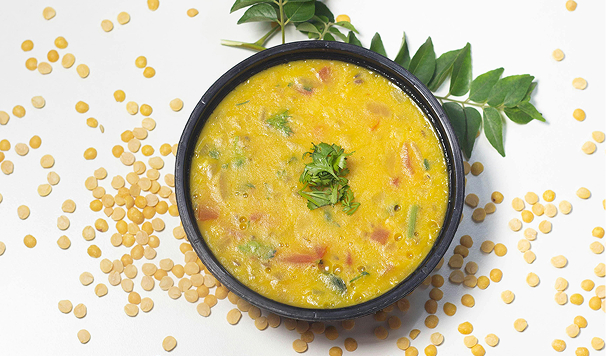
Top Insights on Moong Dal: Benefits, Recipes, and Expert Advice
Moong dal is one of the most widely consumed lentils in Indian households. Made from split mung beans, it is valued for its mild flavour, quick cooking time, and impressive nutritional profile. From everyday meals to specialised diet plans, moong dal is often recommended for its balance of plant protein, fibre, and essential micronutrients.
Lentils such as moong dal are widely recognised in nutrition research as nutrient-dense foods that provide protein, fibre, and important vitamins and minerals. These nutrients support muscle maintenance, digestive health, and overall metabolic function.
In this guide, we explore moong dal nutrition, its health benefits, how it fits into weight-management diets, and practical ways to include it in everyday meals.
Moong Dal Quick Nutrition Facts
• Provides ~24 g of plant protein per 100 g (raw)
• Rich in dietary fibre that supports digestion and satiety
• Contains important minerals including iron, magnesium, potassium, and folate
• Moderate calorie density, making it suitable for balanced diets
• A widely used protein source in vegetarian and plant-based diets
What Is Moong Dal?
Moong dal comes from mung beans (Vigna radiata), a small green legume cultivated widely across India and Southeast Asia. When the outer green skin of the mung bean is removed and the bean is split, it becomes the yellow lentil commonly referred to as moong dal.
Moong dal has remained a staple in Indian cooking because it is:
• easy to cook
• versatile across many dishes
• relatively light on digestion compared with some other legumes
• naturally rich in plant-based nutrients
It appears in many traditional dishes such as dal, khichdi, soups, sprouts, and savoury pancakes like moong dal chilla.
Common Forms of Moong
| Type | Description | Fibre Level | Common Uses |
| Whole Green Moong | Whole mung beans with outer skin | Higher | Sprouts, curries, salads |
| Split Moong Dal | Split beans with skin retained | Moderate | Dal, soups |
| Yellow Moong Dal | Split beans without skin | Lower | Khichdi, light dals |
| Sprouted Moong | Germinated whole beans | High | Salads, health bowls |
Whole moong retains more fibre due to the skin, while yellow moong dal cooks faster and is often preferred in lighter meals.
Moong Dal Nutrition: Calories, Protein, Carbohydrates, and Fibre
The nutrition in moong dal is one of the main reasons it is widely recommended in balanced diets. Lentils are recognised as nutrient-dense foods because they provide protein, fibre, complex carbohydrates, and several essential micronutrients.
Nutritional Value of Moong Dal (per 100 g raw)
| Nutrient | Amount |
| Calories | ~347 kcal |
| Protein | ~24 g |
| Carbohydrates | ~63 g |
| Dietary Fibre | ~16 g |
| Fat | ~1 g |
| Iron | ~6–7 mg |
| Magnesium | ~180 mg |
| Potassium | ~1200 mg |
| Folate | ~600 mcg |
Values may vary slightly depending on variety and cultivation conditions.
Understanding this nutritional composition helps explain the moong dal nutrition benefits discussed in the sections below.
Moong Dal Protein per 100g and Per Serving
Protein is one of the most important components of moong dal nutrition.
• Raw moong dal (100 g): ~24 g protein
• Cooked moong dal (1 bowl / ~150 g): ~10–12 g protein
For vegetarians, moong dal can contribute meaningfully to daily protein intake. Like most legumes, it contains essential amino acids and works well nutritionally when paired with grains such as rice or millet.
If you want to compare protein levels across different lentils, read this guide onprotein in dal per 100g
Moong Dal Calories in Raw vs Cooked Form
Cooking significantly changes the calorie density of lentils because they absorb water during the cooking process. This increases volume while lowering calorie density per serving.
| Form of Moong Dal | Typical Serving | Approximate Calories |
| Raw Moong Dal | 100 g | ~347 kcal |
| Cooked Moong Dal | 1 bowl (~150 g) | ~160–200 kcal |
| Moong Dal Khichdi | 1 bowl | ~200–250 kcal |
The calorie value may vary depending on ingredients such as oil, ghee, vegetables, or spices used in preparation.
How Moong Dal Compares With Other Lentils
Many lentils provide plant-based protein, but their nutritional profiles can vary slightly. Moong dal is often considered one of the lighter and easier-to-digest lentils while still providing a strong protein content.
Other commonly consumed dals such as masoor dal, chana dal, and toor dal may contain similar or slightly higher protein levels depending on the variety and preparation method.
For a detailed comparison across lentils, see our guide onprotein in dal per 100g (raw vs cooked).
Moong Dal Nutrition Benefits and Health Advantages
Benefits of Moong Dal come from its combination of protein, fibre, and essential micronutrients that support several aspects of health.
1. A Valuable Plant Protein Source
Moong dal provides a substantial amount of plant protein, which supports muscle maintenance and tissue repair. For individuals following vegetarian diets, lentils like moong dal are an important component of daily protein intake.
When combined with grains such as rice, lentils contribute to a more balanced amino-acid profile.
2. Supports Fullness and Weight Management
The combination of protein and dietary fibre in moong dal helps promote satiety, meaning meals containing lentils can help people feel full for longer.
This is one reason moong dal is frequently included in balanced diets designed for portion control and steady energy levels.
3. Supports Digestive Health
Moong dal contains fibre that supports digestive health and regular bowel movements. Fibre also contributes to gut microbiome health by feeding beneficial bacteria in the digestive system.
Soaking lentils before cooking may reduce certain compounds that can contribute to digestive discomfort and may improve tolerance for some individuals.
4. Helps Support Balanced Blood Sugar Response
Legumes such as moong dal typically have a lower glycaemic impact compared with many refined carbohydrate foods.
The fibre and complex carbohydrates in lentils slow glucose absorption, which helps maintain more stable energy levels throughout the day.
5. Provides Important Vitamins and Minerals
Moong dal contains several essential micronutrients including:
• iron for oxygen transport
• magnesium for muscle and nerve function
• potassium for electrolyte balance
• folate for cell growth and metabolism
Including lentils regularly in meals can contribute meaningfully to daily micronutrient intake.
Moong Dal for Weight Loss: Is It a Good Choice?
Many people search specifically for ‘moong dal for weight loss’, and it can fit well into balanced meal plans designed for calorie management.
Why Moong Dal Can Support Weight Loss
Moong dal works well in calorie-controlled diets because it provides nutrients that help regulate appetite.
Key factors include:
• protein that promotes satiety
• fibre that slows digestion
• moderate calorie density
• flexibility in meal preparation
Weight loss ultimately depends on overall calorie balance, but foods like moong dal can help create satisfying meals within calorie-conscious diets.
Best Ways to Eat Moong Dal for Weight Loss
Healthy ways to include moong dal in weight-conscious meals include:
• simple moong dal cooked with minimal oil
• vegetable-rich dal with spinach or gourds
• sprouted moong salads
• moong dal chilla with vegetables
• light moong dal khichdi
Tracking meals using a food calorie calculator can help maintain balanced energy intake.
Many people search specifically for moong dal for weight loss, and it can fit well into balanced meal plans designed for calorie management. Lentils such as moong dal provide protein, fibre, and complex carbohydrates, which help create meals that are both filling and nutritionally balanced.
Whole Moong vs Split Moong Dal vs Yellow Moong Dal
Different forms of moong beans are used in cooking, each with slightly different culinary characteristics.
| Type | Description | Digestibility | Typical Uses |
| Whole Green Moong | Whole beans with skin | Moderate | Curries, sprouts |
| Split Moong Dal | Split beans with skin | Easier digestion | Dal, soups |
| Yellow Moong Dal | Split beans without skin | Very easy digestion | Khichdi, light dals |
| Sprouted Moong | Germinated whole beans | Good digestibility | Salads, bowls |
Whole moong retains more fibre due to the skin, while yellow moong dal is often used in lighter dishes because it cooks quickly and has a softer texture.
Best Ways to Include Moong Dal in a Healthy Diet
Moong dal is a versatile ingredient that can be included in many everyday meals. Because it provides protein, fibre, and complex carbohydrates, it fits well into balanced diets that emphasise whole foods and plant-based nutrition.
Simple Meal Ideas
• traditional moong dal served with rice and vegetables
• moong dal soup seasoned with herbs and mild spices
• sprouted moong salad with lemon, vegetables, and fresh herbs
• moong dal chilla with grated vegetables for breakfast
• vegetable-rich moong dal khichdi for a light meal
Rotating different lentils, vegetables, and grains throughout the week helps create nutritionally balanced diets while providing a variety of flavours and nutrients.
How Much Moong Dal Can You Eat in a Day?
A typical serving of cooked moong dal is one bowl (about 150–200 g cooked). This portion provides protein, fibre, and essential micronutrients while fitting comfortably within most balanced meal plans.
Many dietary guidelines encourage the regular inclusion of legumes because they help support daily protein and fibre intake. Including moong dal as part of one meal per day can contribute meaningfully to these nutritional goals.
Individual requirements may vary depending on factors such as activity level, overall calorie needs, and dietary preferences.
Common Mistakes to Avoid When Eating Moong Dal
Although moong dal is highly nutritious, certain cooking and eating habits can reduce its potential benefits.
Common mistakes include:
• adding excessive ghee or oil during cooking, which increases calorie density
• consuming very large portions assuming lentils are calorie-free
• relying only on dal without including vegetables, grains, or other protein sources
• preparing dal with heavy cream or butter that significantly increases fat content
Using simple cooking methods and combining moong dal with vegetables and whole foods helps preserve its nutritional value.
Potential Risks and Things to Keep in Mind When Eating Moong Dal
Moong dal is generally well tolerated by most people, but a few considerations are helpful.
Gas or Bloating
Like many legumes, moong dal contains fermentable carbohydrates that may cause mild bloating for some individuals. Proper soaking, rinsing, and thorough cooking can improve digestibility and reduce discomfort.
Portion Awareness
Individuals sensitive to legumes may benefit from consuming smaller portions initially and gradually increasing intake as the digestive system adapts.
Explore More Nutrition & Fitness Tools
• Try balanced meal plans that include lentils, vegetables, and protein-rich foods.
• Use our Food Calorie Calculator to track calories, protein, and nutrient intake.
• Explore our guide to protein-rich foods to discover more vegetarian protein sources.
Final Thoughts
Moong dal remains a staple ingredient in many diets because it combines nutritional value with culinary simplicity. Its balance of plant protein, fibre, and essential micronutrients makes it suitable for everyday meals, vegetarian diets, and calorie-conscious eating patterns.
Understanding moong dal nutrition highlights why this lentil continues to be recommended as part of balanced diets. When prepared with simple cooking methods and combined with vegetables and whole grains, moong dal can contribute to nourishing and satisfying meals that support long-term health.
Frequently Asked Questions About Moong Dal
What is moong dal made from?
Moong dal is made from mung beans. The beans are split and the outer green skin is removed, producing the yellow lentil commonly used in Indian cooking.
How much protein is in moong dal?
Raw moong dal contains about 24 grams of protein per 100 grams, while a bowl of cooked moong dal typically provides around 10–12 grams of protein.
Is moong dal good for weight loss?
Moong dal can support weight-management diets because it contains protein and fibre that help promote fullness while providing moderate calories.
Is moong dal healthier than other dals?
All lentils provide valuable nutrients, but moong dal is often considered lighter and easier to digest compared with some other legumes.
Is moong dal better cooked or sprouted?
Both forms provide nutritional benefits. Cooked moong dal is easier for many people to digest, while sprouted moong provides additional fibre and enzymes.
Can I eat moong dal every day?
Yes. When consumed as part of a balanced diet with vegetables, grains, and other protein sources, moong dal can be eaten regularly.
Does moong dal help digestion?
The fibre in moong dal supports digestive health and helps maintain regular bowel movements.
How many calories are in one bowl of moong dal?
A bowl of cooked moong dal typically contains around 160–200 calories, depending on portion size and preparation method.
Is moong dal a good protein source for vegetarians?
Yes. Moong dal provides plant protein and can contribute meaningfully to vegetarian protein intake when included regularly in balanced meals.