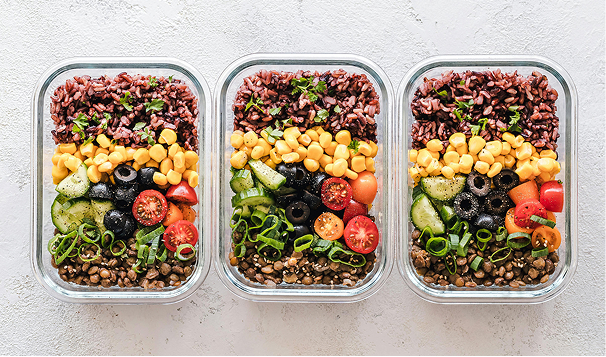
Top Insights on Nutrition: Benefits, Recipes, and Expert Advice
Nutrition: Complete Guide to Nutrients, Nutrition Facts & Healthy Nutrition Diet
Nutrition is the foundation of health. Every nutritional food choice you make influences energy levels, recovery, immune strength, hormone balance, and long-term disease risk. While diet trends change frequently, the principles of healthy nutrition remain consistent: balanced nutrients, appropriate portions, and sustainable eating habits.
Understanding nutrition helps you move beyond calorie counting and build a structured nutrition diet that supports your goals, whether that is weight management, muscle gain, metabolic health, or overall well-being.
What Is Nutrition?
Nutrition is the biological process through which the body absorbs, transports, metabolises, and utilises nutrients from food to produce energy, repair tissues, regulate hormones, and maintain vital functions.
A diet is what you eat.
Nutrition is how your body processes and uses what you eat.
A structured nutrition diet ensures:
• Adequate energy availability
• Balanced macronutrient distribution
• Sufficient micronutrient intake
• Stable blood sugar regulation
• Sustainable, repeatable eating patterns
Healthy nutrition focuses not just on calorie quantity, but on the quality and composition of nutrition food consumed daily. It is the foundation of metabolic health, physical performance, and long-term well-being.
Why Nutrition Is Important
The importance of nutrition extends far beyond weight management. Nutrition directly influences how your body produces energy, preserves muscle, regulates blood sugar, supports immunity, and reduces long-term disease risk.
When dietary patterns are unbalanced (high in refined carbohydrates, low in protein, or excessive in cooking oils), metabolic stability declines over time.
Energy & Metabolic Function
Carbohydrates and fats provide fuel for daily activity, but energy stability depends on nutrient balance. Erratic meal timing, low protein intake, and high refined carbohydrate consumption can cause rapid glucose spikes followed by energy crashes. Structured nutrition supports steady energy output throughout the day.
Muscle Maintenance & Structural Integrity
Protein intake supports muscle repair, connective tissue strength, enzyme production, and metabolic rate. Many carb-dominant eating patterns compromise lean muscle retention, particularly in sedentary individuals.
Immune Regulation
Micronutrients such as vitamin D, iron, zinc, and vitamin C regulate immune cell activity. Inadequate intake of these nutrients weakens immune responsiveness and recovery capacity.
Blood Sugar Stability
Meals high in refined carbohydrates without fibre or protein pairing increase post-meal glucose fluctuations. Over time, repeated glucose instability may contribute to insulin resistance. Balanced healthy nutrition improves glycaemic control.
Long-Term Disease Prevention
Chronic poor nutrition diet patterns increase the risk of obesity, fatty liver disease, cardiovascular disease, and metabolic disorders. Nutrient-dense nutrition food choices reduce inflammatory burden and support long-term resilience.
Healthy nutrition protects both immediate performance and long-term physiological health. It determines not just how you look, but how your body functions internally.
Types of Nutrients: Macronutrients & Micronutrients
All nutrition diets are built around essential nutrients. These nutrients support energy production, tissue repair, metabolic regulation, immune function, and long-term physiological balance. They are broadly classified into macronutrients and micronutrients.
Macronutrients
Macronutrients are required in larger quantities and provide both energy and structural components for the body.
Carbohydrates
Carbohydrates are the body’s primary fuel source, particularly for the brain and muscles. They are found in rice, roti, fruits, vegetables, legumes, and grains.
In many carb-dominant eating patterns, large grain portions are consumed without adequate protein or fibre pairing. This imbalance can contribute to blood sugar fluctuations and reduced satiety.
Protein
Protein is essential for muscle repair, enzyme synthesis, hormone production, immune function, and appetite regulation.
Common protein sources include:
• Lentils
• Chickpeas
• Paneer
• Tofu
• Greek yogurt
• Eggs
• Soy products
A common nutrition diet issue is protein under-distribution, consuming most protein at dinner while neglecting earlier meals. Even protein spacing across meals supports muscle maintenance and metabolic stability.
Fats
Dietary fats support hormone production, cell membrane integrity, and absorption of fat-soluble vitamins (A, D, E, and K).
Healthy fat sources include nuts, seeds, and measured cooking oils. However, excessive free-pouring oil during cooking significantly increases calorie density without improving nutrient balance.
Fibre
Fibre supports digestive health, cholesterol regulation, gut microbiome diversity, and glucose control. It is found in vegetables, fruits, legumes, and whole grains.
Most adults under-consume fibre due to refined grain dominance and low vegetable intake, a common structural gap in modern nutrition diets.
Micronutrients
Micronutrients are required in smaller amounts but are critical for metabolic processes, immune defense, oxygen transport, bone health, and neurological function.
Common micronutrient concerns include:
• Iron deficiency: May lead to fatigue, reduced stamina, and impaired oxygen transport, particularly in menstruating women and individuals with low legume or leafy green intake.
• Vitamin D deficiency: Associated with weakened bone health, reduced immune resilience, and low sun exposure patterns common in indoor lifestyles.
• Vitamin B12 deficiency: More common in vegetarian nutrition diets lacking fortified foods or supplementation; may affect nerve function and energy metabolism.
• Calcium deficiency: Inadequate intake over time may compromise skeletal strength and long-term bone integrity.
Unlike macronutrients, micronutrient deficiencies may not immediately affect energy intake but can significantly impair long-term health.
Balanced healthy nutrition requires adequate intake of both macronutrients and micronutrients, energy alone does not guarantee nutrient sufficiency.
Daily Nutrition Requirements: How Much Do You Need?
Daily nutrition requirements vary based on age, sex, body weight, and activity level. However, understanding baseline ranges helps structure a balanced nutrition diet and prevents both under-eating and overconsumption.
General Adult Guidelines
For most healthy adults:
• Protein: 0.8–1.2g per kg body weight
• Active individuals: 1.2–1.6g per kg body weight
• Fibre: 25–35g per day
• Fat: 20–35% of total daily calories
• Hydration: ~30–35ml per kg body weight
These ranges support metabolic function, muscle maintenance, digestive health, and hormonal balance.
Example: 70kg Moderately Active Adult
A 70kg adult who exercises regularly may benefit from:
• 85–100g protein daily
• 25–30g fibre daily
• Balanced fat intake within recommended range
• Approximately 2.1–2.5 litres of water per day
Equally important is nutrient distribution. Consuming 85–100g of protein in one meal is ineffective. Distributing protein across 3–4 meals improves muscle protein synthesis, satiety, and blood sugar stability.
Why These Numbers Matter
Meeting daily nutrition requirements ensures:
• Stable energy throughout the day
• Preservation of lean muscle mass
• Improved digestion and gut health
• Reduced risk of nutrient deficiencies
A structured nutrition diet is built around meeting these targets consistently rather than relying on occasional “healthy” meals.
What Is a Balanced Nutrition Diet?
A balanced nutrition diet is proportionate, not extreme.
Practical framework:
• ½ plate of vegetables
• ¼ plate protein
• ¼ plate whole grains
• Measured oil
Example structured Indian meal:
• Moong dal
• 1 roti
• Mixed sabzi
• Curd
This structure improves nutrient density without eliminating staple foods.
Balanced healthy nutrition supports stable energy and metabolic resilience.
Nutrition Food List: What to Prioritise
A practical nutrition food list helps simplify decision-making.
High-Quality Protein Foods
• Lentils
• Chickpeas
• Paneer
• Greek yogurt
• Tofu
• Soy chunks
Fibre-Rich Carbohydrates
• Brown rice
• Millets
• Oats
• Whole wheat
Vegetables
• Leafy greens
• Cruciferous vegetables
• Seasonal produce
Healthy Fats
• Nuts
• Seeds
• Measured oils
Foods to Limit
• Deep-fried snacks
• Sugary beverages
• Refined bakery products
• Ultra-processed packaged foods
Healthy nutrition improves when nutrient-dense nutrition food replaces heavily processed options.
Understanding Nutrition Facts & Food Labels
Nutrition facts labels provide standardised information about the calorie and nutrient composition of packaged food. Interpreting nutrition facts correctly prevents marketing-driven food decisions and improves the structure of a healthy nutrition diet.
When reviewing nutrition facts, prioritise:
• Serving size: Check whether values are listed per serving or per 100g. Many packaged foods appear low-calorie because serving sizes are unrealistically small.
• Total calories: Understand how the product fits into your overall daily energy intake.
• Protein content: Higher protein foods improve satiety and nutrient density.
• Fibre content: Indicates digestive and metabolic support.
• Added sugars: Excess added sugar contributes to glucose instability and calorie surplus.
• Saturated fat: Excess intake may increase cardiovascular risk over time.
Be cautious of front-of-package claims such as “multigrain,” “low fat,” or “high protein.” These claims can be misleading if nutrition facts reveal high sugar, refined flour dominance, or low overall nutrient density.
Learning to interpret nutrition facts strengthens food awareness and supports informed decisions within a balanced nutrition diet.
Nutrition for Different Goals
Nutrition should be adapted to objectives. Calorie targets and macronutrient distribution shift depending on whether the goal is fat loss, muscle gain, metabolic health, or general well-being.
Nutrition for Weight Loss
Weight loss nutrition requires structure, not severe restriction.
Effective weight-loss nutrition includes:
• Mild calorie deficit
• Higher protein intake to preserve lean mass
• Increased vegetable volume for satiety
• Reduced liquid calories
• Measured cooking oil
A sustainable nutrition diet for weight loss prioritises hunger control and consistency rather than extreme elimination.
Nutrition for Muscle Gain
Muscle gain requires adequate energy availability and protein distribution.
Key principles:
• Calorie surplus
• 1.2–1.6g protein per kg body weight
• Carbohydrate support around training sessions
• Even protein distribution across meals
Muscle-focused nutrition must support recovery, training performance, and progressive adaptation.
Nutrition for Blood Sugar Stability
Stable blood sugar depends on meal composition and timing.
Structured nutrition for glucose control includes:
• Controlled carbohydrate portions
• High fibre intake
• Protein pairing with carbohydrates
• Limited added sugars
• Reduced refined flour consumption
Balanced healthy nutrition reduces glucose volatility and improves metabolic resilience.
Nutrition for General Health
For individuals without specific performance goals, foundational nutrition principles apply:
• Dietary diversity
• Balanced macronutrient proportions
• Consistent meal timing
• Adequate hydration
Healthy nutrition supports long-term metabolic stability and reduces risk of chronic disease.
Common Nutrition Deficiencies
Even calorie-sufficient diets may lack key nutrients. Nutrient gaps often occur due to low dietary diversity, limited sun exposure, or imbalanced macronutrient intake.
Iron Deficiency
May result in fatigue, reduced stamina, and impaired oxygen transport. More common in menstruating women and low-legume diets.
Vitamin D Deficiency
Associated with reduced bone mineral density and compromised immune regulation. Sedentary indoor lifestyles increase risk.
Vitamin B12 Deficiency
Common in vegetarian nutrition diets lacking fortified foods or supplementation. May affect nerve function and energy metabolism.
Protein Inadequacy
Under-consumption can impair muscle retention, recovery, and appetite regulation.
Improving overall nutrition food quality is often more effective than relying solely on supplementation.
Common Nutrition Mistakes
Many nutrition diet failures result from structural imbalance rather than lack of discipline.
Common mistakes include:
• High-carbohydrate breakfasts with minimal protein
• Excess cooking oil due to unmeasured usage
• Drinking calories through sweetened tea, packaged juices, or soft drinks
• Ignoring portion sizes of calorie-dense foods
• Over-relying on packaged “healthy” snacks with poor nutrition facts profiles
Correcting these structural errors produces more sustainable results than drastic dietary restriction.
How to Improve Your Nutrition Today
Improving nutrition does not require radical change. Structural adjustments produce meaningful results.
Start with:
• Include a protein source at every meal
• Increase vegetable portion size to half your plate
• Measure oil instead of free-pouring
• Replace refined snacks with whole-food alternatives
• Review nutrition facts before purchasing packaged food
Small, repeatable improvements create long-term healthy nutrition habits. Consistency, not perfection, determines outcomes.
What is nutrition?
Nutrition is how the body converts food into energy and structural support through digestion and nutrient utilisation. Nutritional outcomes depend on portion balance, nutrient density, and distribution across meals. A structured nutrition diet focuses not just on what you eat, but how effectively your body uses those nutrients.
What is nutrition in simple words?
In simple terms, nutrition is how food fuels and repairs your body. It determines whether your meals give you steady energy and strength, or leave you feeling fatigued and hungry again within hours.
Why is nutrition important?
Nutrition directly affects metabolic stability. Meals high in refined carbohydrates but low in protein and fibre can cause blood sugar spikes and energy crashes. Over time, poor nutrition diet patterns may increase the risk of muscle loss, deficiencies, and metabolic disorders. Balanced healthy nutrition supports stable energy, recovery, and long-term health.
What is the difference between diet and nutrition?
A diet refers to the foods you eat. Nutrition refers to how your body processes and benefits from those foods. For example, a meal heavy in refined grains may meet calorie needs but fall short in protein, fibre, and micronutrient density, resulting in poor nutritional quality despite adequate intake.
What are the 6 essential nutrients?
The body requires six essential nutrient categories:
• Carbohydrates: primary energy source
• Protein: tissue repair and metabolic support
• Fats: hormone regulation and nutrient absorption
• Vitamins: metabolic regulation
• Minerals: structural and enzymatic support
• Water: fluid balance and cellular function
Each nutrient serves a distinct physiological role, and imbalance in any category can affect overall health.
What is a balanced nutrition diet?
A balanced nutrition diet distributes macronutrients appropriately while ensuring adequate micronutrient intake. Practically, this often means:
• Half the plate from vegetables
• One-quarter from protein sources
• One-quarter from whole grains
• Measured cooking fats
Balance is about proportion and not elimination.
What is nutrition food?
Nutrition food refers to nutrient-dense foods that provide essential nutrients relative to their calorie content. Examples include legumes, whole grains, vegetables, fruits, dairy or alternatives, nuts, seeds, and quality protein sources. Foods high in calories but low in micronutrients offer energy without nutritional balance.
What are nutrition facts?
Nutrition facts are standardised label details that display calorie content and nutrient breakdown per serving or per 100g. Evaluating nutrition facts helps identify added sugars, protein density, fibre content, and hidden fats, preventing reliance on marketing claims alone.
How many calories should I eat per day?
Calorie needs depend on body weight, age, sex, and activity level. Many adults require roughly 1,800–2,500 calories daily, but individual needs vary. Calorie targets should align with overall nutrition diet goals, whether fat loss, muscle gain, or weight maintenance.
How much protein do I need daily?
Most adults require 0.8–1.2g of protein per kg body weight per day. Active individuals or those training regularly may benefit from 1.2–1.6g per kg. Distributing protein evenly across meals improves muscle retention and appetite control.
Can good nutrition prevent disease?
Balanced healthy nutrition reduces the likelihood of obesity, insulin resistance, cardiovascular disease, fatty liver disease, and micronutrient deficiencies. While no nutrition plan guarantees prevention, consistent nutrient balance significantly lowers long-term risk.
How can I improve my nutrition quickly?
Start with structural adjustments:
• Add protein to every meal
• Increase vegetable volume
• Measure cooking oil
• Reduce sugary beverages
• Review nutrition facts before purchasing packaged food
Small, repeatable changes create sustainable improvements.
Explore Diet & Nutrition Tools
• Use the Food Calorie Calculator to evaluate calorie intake, macronutrient balance, and portion awareness for everyday meals.
• Browse structured healthy recipes designed around a balanced diet, with practical macronutrient distribution and portion guidance.
• Connect with verified nutrition coaches for personalised guidance aligned with your goals, whether weight management, muscle gain, or metabolic health.
Balanced nutrition is built through awareness, structure, and consistency. A well-designed nutrition diet improves both daily performance and long-term health outcomes.